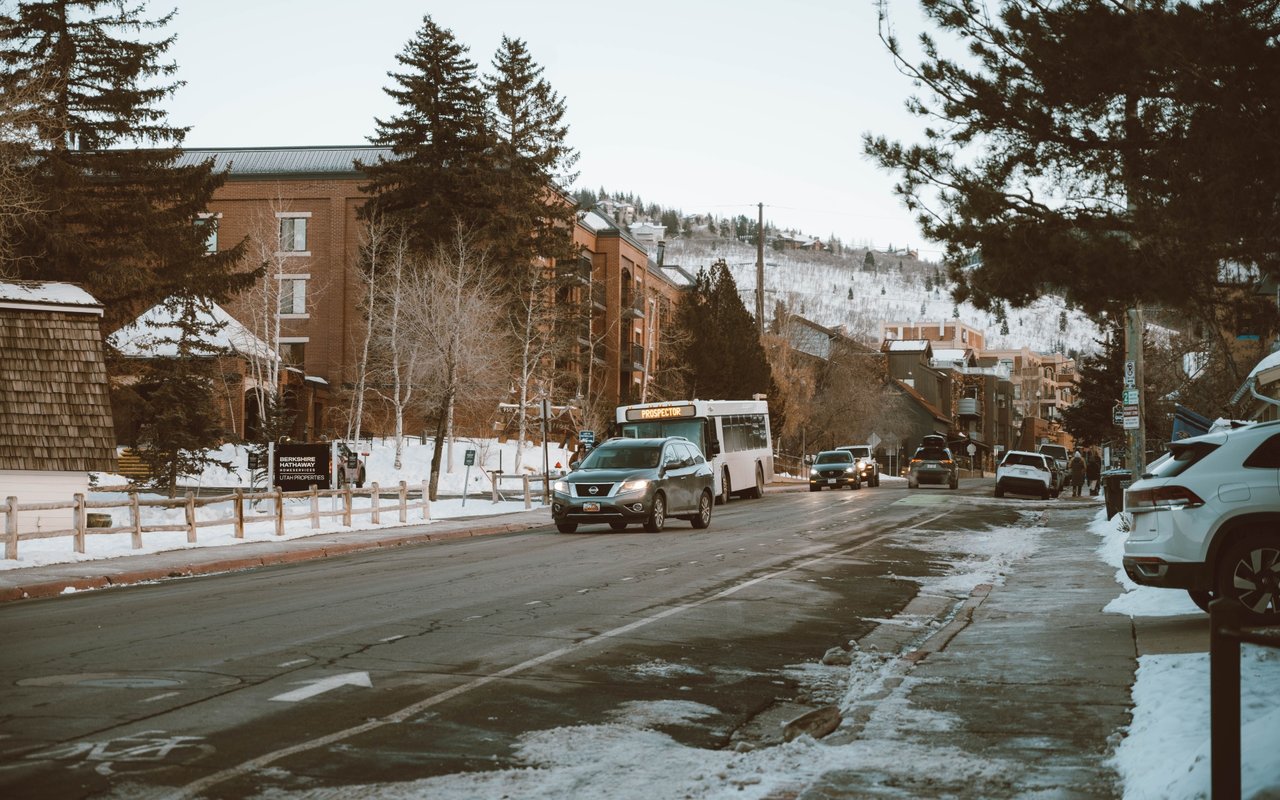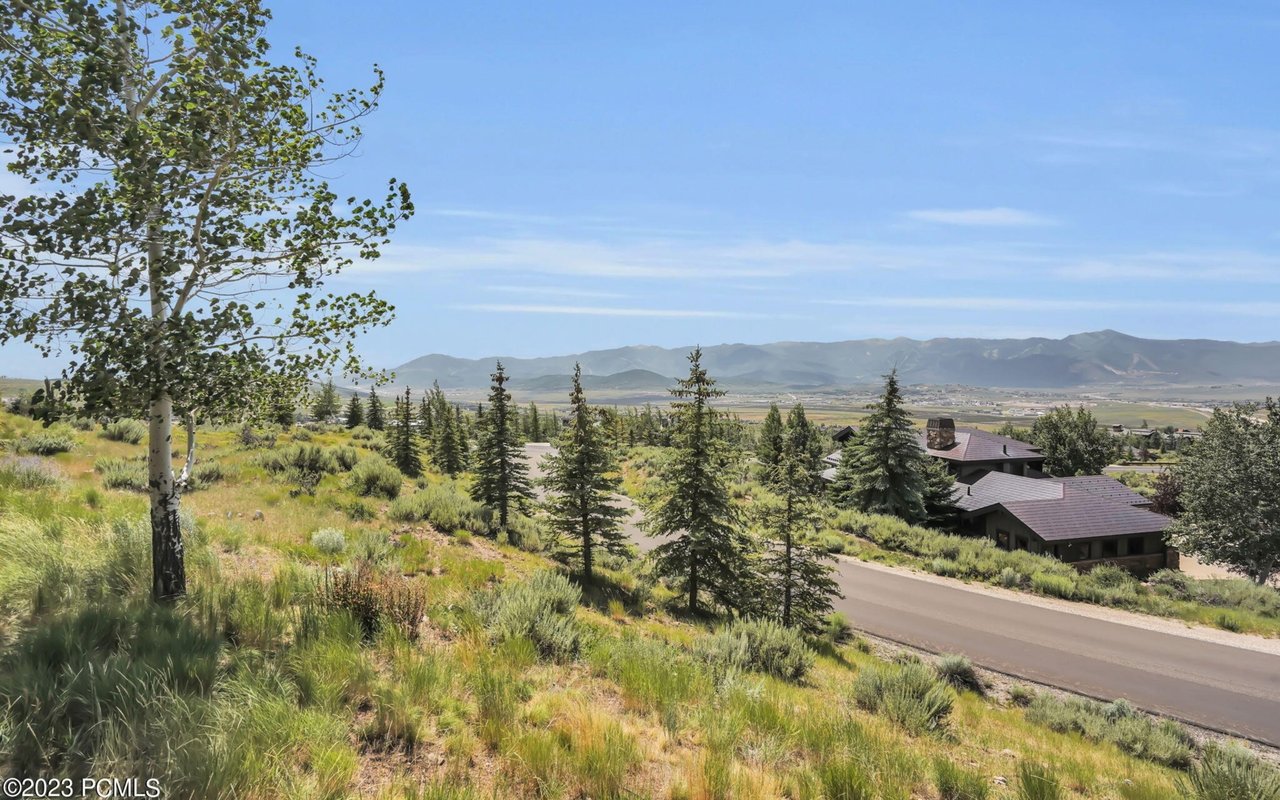
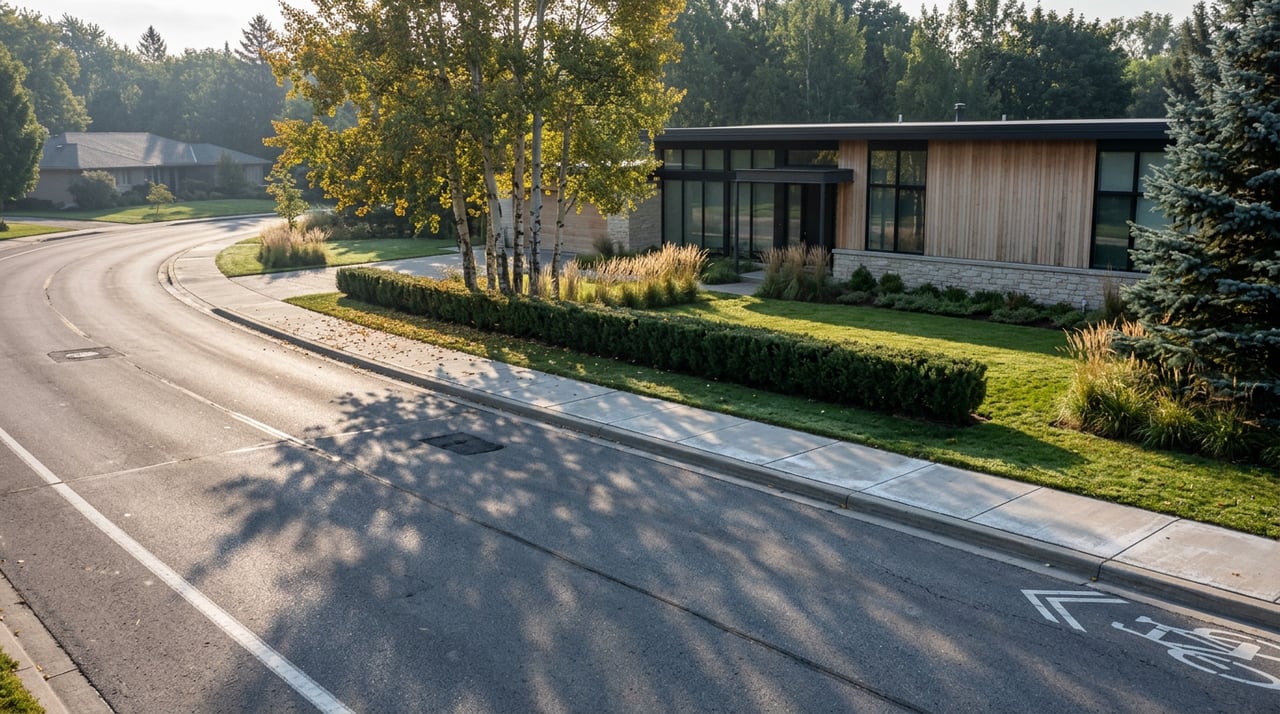
Walk or bike Little Kate Road on a September morning and you'll see the same thing you saw in June: a narrow two-lane road, a sidewalk barely wide enough for two strollers to pass, and cyclists riding the white line because there isn't much else to ride. For a while this year, that was supposed to change. Park City had drawn up plans for a 12-foot paved pathway that would have replaced the existing bike lanes and sidewalk entirely, stretching nearly a mile from Holiday Ranch Loop Road to Lucky John Drive. It didn't happen, and the reason it didn't happen is more interesting than the usual story of a neighborhood saying no to change.
Park Meadows residents didn't kill this project by showing up angry. They killed it by pointing at the city's own numbers.
What the City Actually Proposed
The plan came out of two city planning studies that flagged Little Kate Road as an "all ages, all abilities" corridor in need of better separation between cars, cyclists, and pedestrians. The city had the money to act on it: a $2.2 million grant from the Federal Transit Administration, secured back in 2023. The design that came out of that funding called for a single shared path, 12 feet wide, running along the north side of Little Kate Road and continuing as an 8-foot path along Lucky John Drive. To make room, the existing roadway would narrow from roughly 30 feet to about 23.5 feet, with one travel lane in each direction.
City Municipal held an open house at the Park City Municipal Athletic & Recreation Center in late February to walk residents through it, alongside two smaller proposals: ADA-accessible bus stop upgrades and a schedule change moving the Route 20 Tan transit service to weekends with more frequent runs. Those two drew broad support. The pathway did not.
The Number That Actually Mattered
Here's where the story gets specific. When the city brought the plan to the full council on April 30, staff argued the 12-foot design would function comfortably even with pedestrians and cyclists sharing the space, citing national guidance that a path of that width can handle up to 150 people per hour combined. That's the number the design was built around.
But the city's own traffic counts told a different story. According to data presented at the meeting, Little Kate Road peaks at 39 people per hour, walking and biking combined. For comparison, the Rail Trail and Poison Creek corridor, both established shared paths in Park City, see peak volumes between 100 and 125 people per hour. The road the city wanted to redesign around a 150-person capacity threshold wasn't coming close to a quarter of that number even at its busiest.
That gap between the design standard and the measured reality became the argument residents kept returning to. Holly McDonald, addressing the council directly, put it plainly:
"These are the Park Meadows residents I was talking about; these are the users."
It wasn't an abstract planning debate to the people who use the road daily to get kids to McPolin Elementary, walk dogs, or ride bikes into town. The council heard more than an hour of public comment that day, with nearly all of it opposed to mixing pedestrian and bike traffic on a single shared surface, and pushed the project back to the drawing board on May 4.
Not everyone in the neighborhood wanted the plan scrapped outright. Roxane Googin, at an earlier public input session, had made the case for the connectivity the original design offered, linking Lucky John Drive and Little Kate Road into what she described as a more complete route to McPolin Elementary and downtown. That tension between wanting a safer route to school and not wanting cyclists and pedestrians sharing six feet of pavement is the real texture of this debate, and it's why the outcome took six months to settle.
What Changed Between May and August
Staff came back in June with four redesigned concepts, presented at a second open house outside the MARC. Two of them, labeled 1a and 1b, kept bike lanes on both sides of the road rather than consolidating everyone onto one shared path. The difference between them was how much physical separation existed between bikes and cars, a painted buffer in one version, a raised barrier in the other. Neither concept changed anything for pedestrians, who would keep the existing sidewalk.
At that June open house, the majority of attendees favored the option with the fewest changes: wider, better-buffered bike lanes with no physical barrier, paired with the current sidewalk left as is. Some residents, including Sara Wells, told city staff they didn't think Little Kate Road needed any upgrades at all.
The council took that feedback and, on August 13, approved a scaled-back version of the project. Instead of the original mixed-use pathway, Little Kate Road will get:
- A buffered, painted bike lane on the roadway itself, rather than a separated path
- A sidewalk widened from five feet to six feet, matching the city's standard width
- No merging of pedestrian and bicycle traffic onto a shared surface
The mile-long connection to Holiday Ranch Loop and the broader McPolin trail network that the original 12-foot path would have created is off the table for now. What residents got instead is a narrower, more conservative fix that keeps the road's existing character largely intact. Construction is targeted to start in March 2027.
What This Actually Means If You Live on or Near Little Kate
If you're walking McPolin Elementary drop-off, biking to the MARC, or just getting your dog around the block, the day-to-day experience of Little Kate Road isn't changing this year or next. The sidewalk you use today is the sidewalk you'll use through at least 2026 and into early 2027, when construction on the widened lane and six-foot sidewalk is scheduled to begin.
What did change is less visible but arguably more important: the city's design standard for shared paths elsewhere in Park City is now an open question. City Engineer John Robertson acknowledged as much during the process, telling council that if this plan got rejected, the city's overall approach to pathway design would need a second look. That's not a small thing for a town that's leaned on mixed-use paths, the Rail Trail, Poison Creek, and the McCleod corridor among them, as its default answer to bike and pedestrian safety for years. Little Kate Road may end up being the project that makes the city test its usage assumptions against real counts before it repeats a design elsewhere.
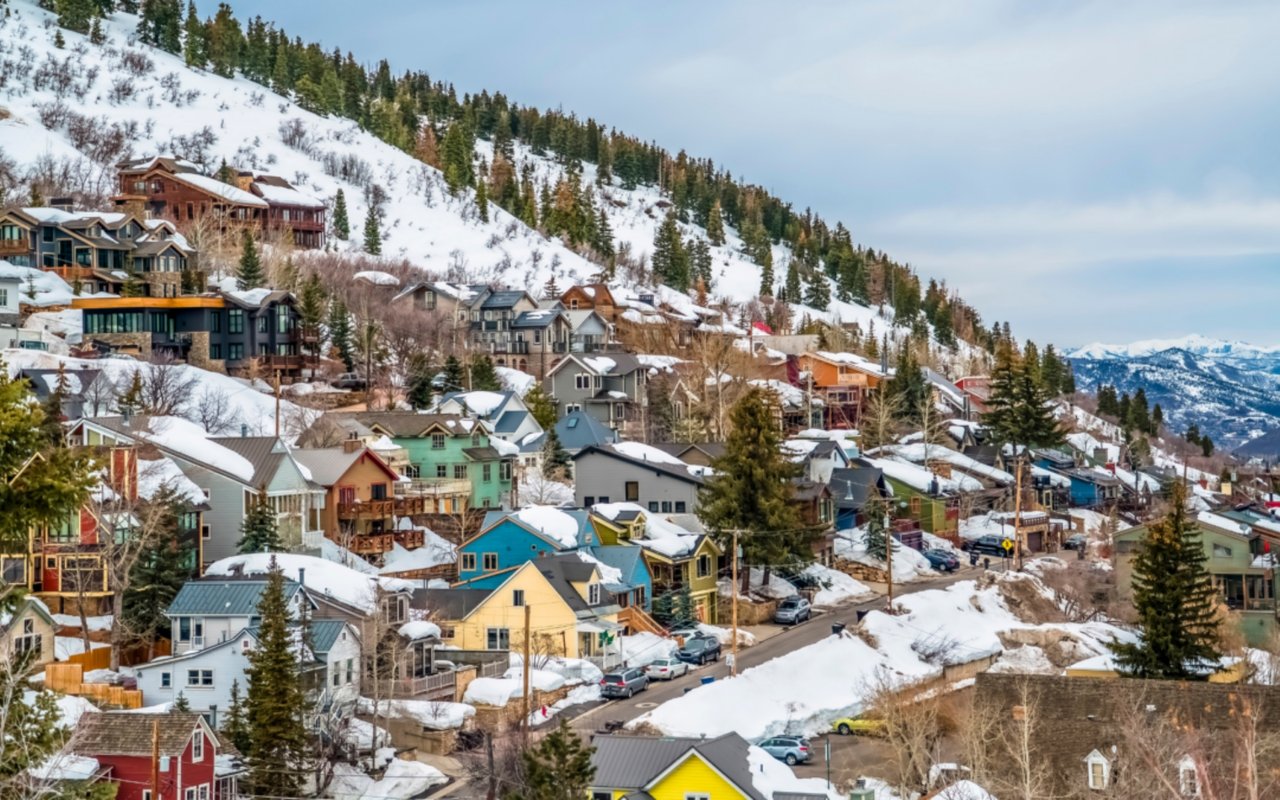
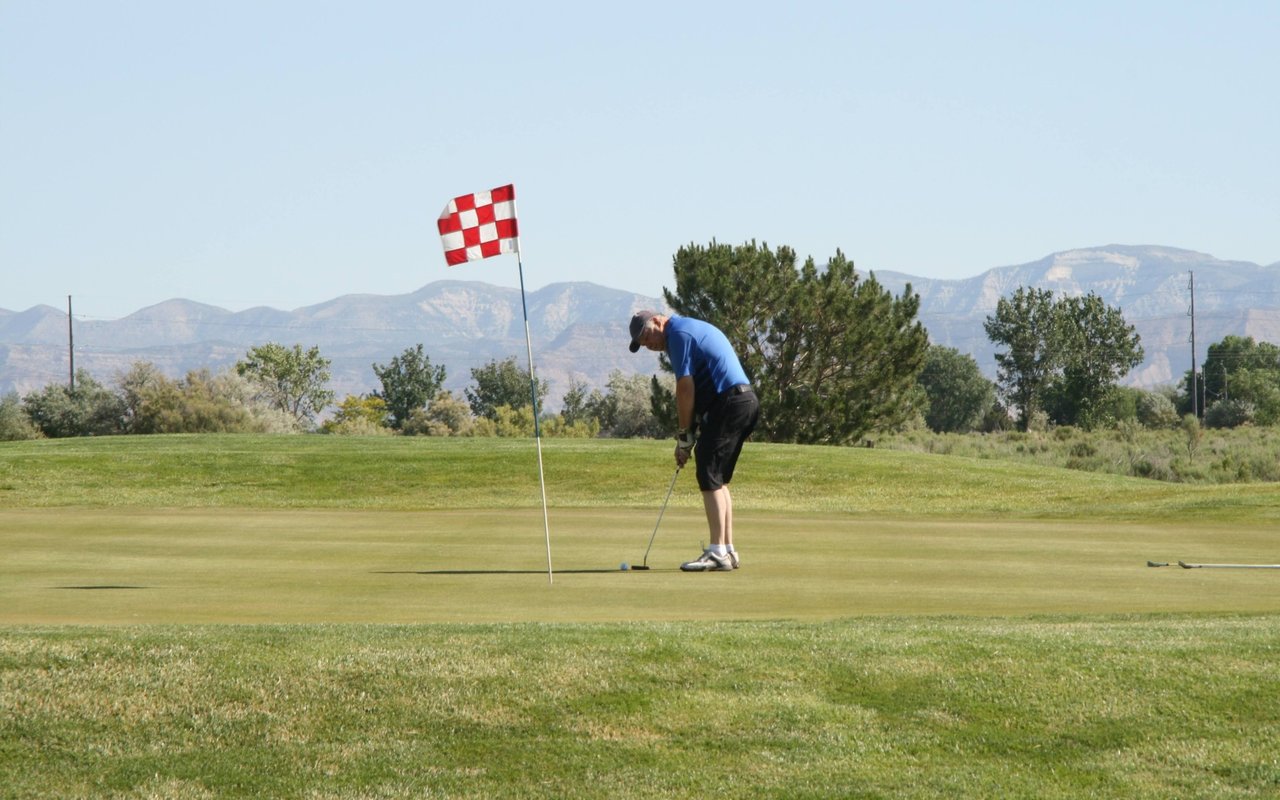
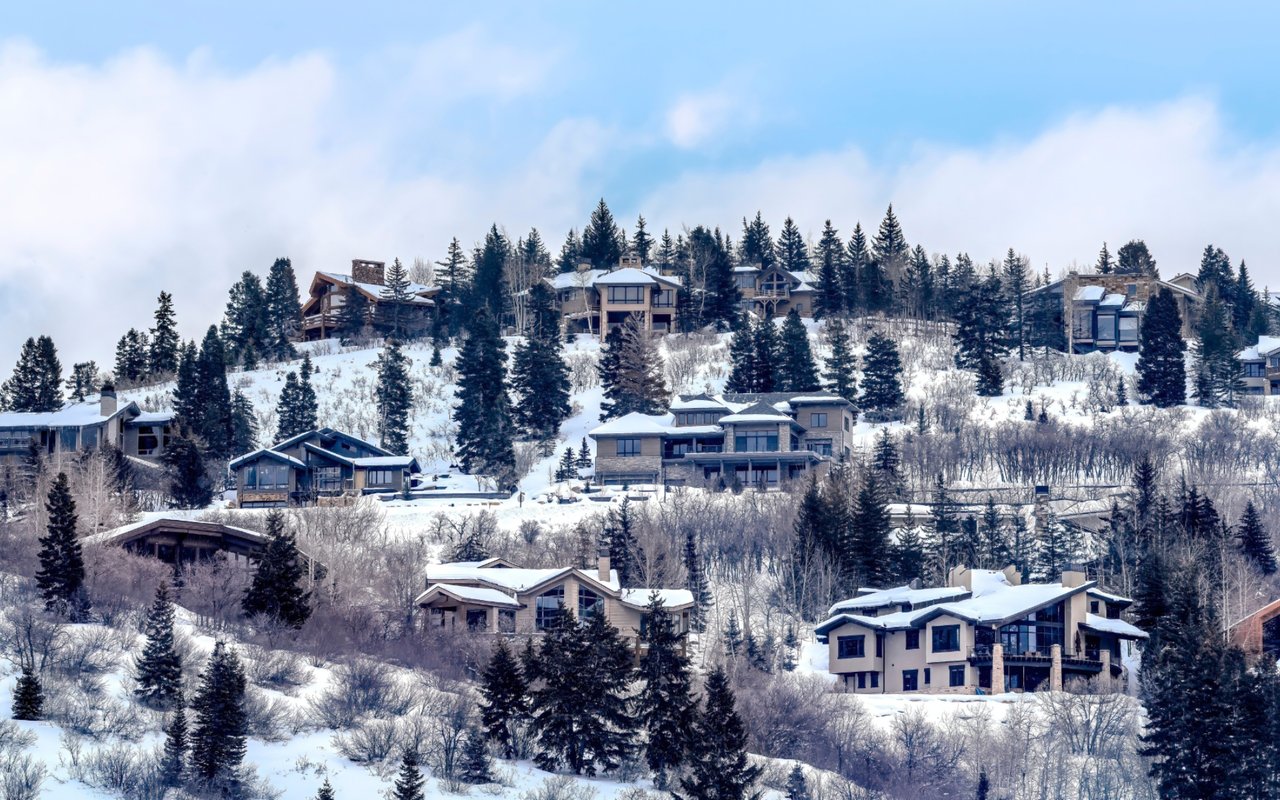
For a neighborhood that's often described in terms of golf course views and quiet cul-de-sacs, this is the version of Park Meadows that doesn't show up in a listing photo: residents who read a planning document closely enough to catch a mismatch between projected capacity and measured use, then said so at three separate public meetings until the design changed. That's a different kind of neighborhood character than the one usually sold, and it's worth knowing before you assume you already understand the place.
If you're weighing what it actually feels like to live along a specific street in Park Meadows, not just what the listing photos suggest, Ski Resort Property Group has been tracking this neighborhood, and the rest of Park City's resort communities, since 1994. Schedule a consultation and we'll walk you through what's actually changing on the ground, not just what's for sale.